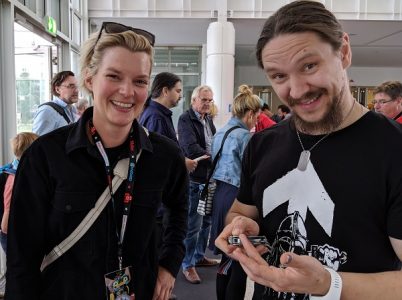
Liz Corbin from the Institute of Making in London has defined makers as follows:
Makers are experimental DIY creators who love what they do. They are creative minds and technology enthusiasts. Most of them are more interested in utility than profit. They are eager to learn (how does that actually work?), but they also share their knowledge with others. They enjoy sharing their inventions, exchanging ideas, and learning from each other.
This results in innovative new products or existing products are customized, optimized, or simply put back into use in the spirit of sustainability. All of this takes place at home or within organized spaces such as FabLabs, hackerspaces, makerspaces, and repair cafés.
They create products that don’t exist in mass production — from playful one-of-a-kind pieces to well-designed prototypes that, for example, can turn a Maker into an entrepreneur through a crowdfunding platform. Common tools include 3D printers and laser cutters.